


Be the Thermostat Not the Thermometer
June 8, 2026
Principles taken from Child Parent Relationship Therapy by Sue Bratton and Garry Landreth
We’ve all been there. It’s been a long day. We’re hot or hungry. Suddenly, our child explodes bursting into tears, yelling, or throwing anything close at hand. In that moment, we react.
It’s an important truth that how we respond to our child’s dysregulation can either escalate or de-escalate the situation. This doesn’t mean that we must be unreasonably calm 24/7. That’s not sustainable. However, we can prepare ourselves for moments of conflict and remind ourselves of some key truths.
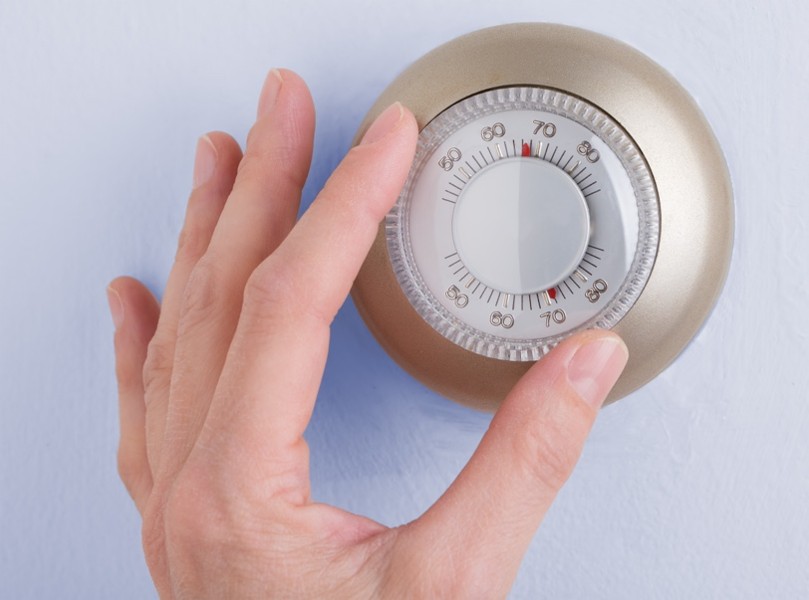
As the adult, I can choose to be the thermostat not the thermometer. A thermostat can control the temperature in the room. We can too.
How to respond to your child’s dysregulation:
- First, calm yourself. Think through what works for you. It might be some deep breaths or singing a quick song to yourself. It can also be taking a drink of cold water. In extreme situations, you might need to ask your child for a minute. Ensure your child’s safety and give yourself some space.
Before you speak, remind yourself that your child is not rational and they are missing a skill. When our kids are explosive, Dr. Ross Greene reminds us, “They are not giving you a hard time, they are having a hard time!” - Observe their feelings or desires. Say factually and using a neutral tone, a statement that reflects what they are doing, saying, or feeling. If your child is crying because they don’t want to leave the park, you could say, “You’re really disappointed. You wanted to stay longer.” Your tone is really important! If you say it too weak then it seems to the child that you are minimizing their distress.
- Pause. Give your child a few seconds to process what you have said.
- Express empathy. Agree that the situation is hard.
- Begin taking deep breaths while looking into your child’s eyes. If they respond well to physical touch, place your hand on their shoulder or hug them. There’s no need to tell your child to take deep breaths with you. Their nervous system will respond to yours, and they will relax as you relax. This is called co-regulation.
Special note – If your child’s outburst occurs while you are driving, pull over and park the car. The extra time spent resolving the upset will be worth it.
Your child might not respond well the first few times you try to regulate with them but keep trying. Eventually, they will respond. You will be able to preserve your relationship with your child while teaching them the needed skill of self-regulation.
Remember, you can control the temperature.

