


Play Therapy
Why Play Therapy?
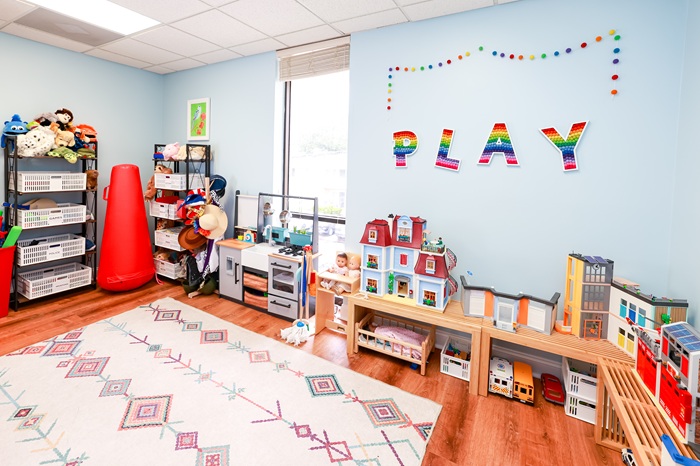
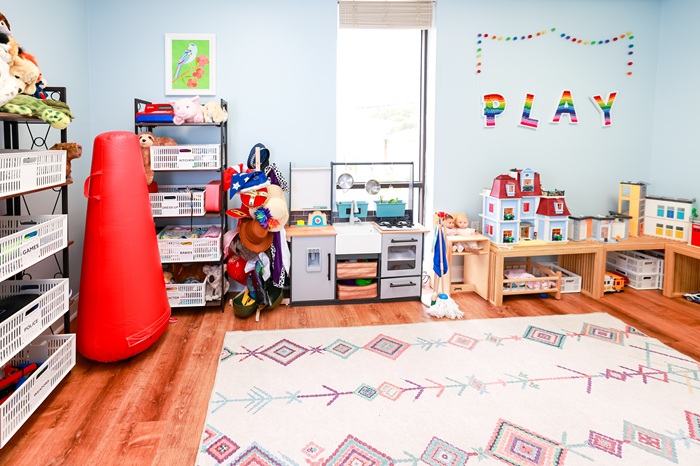
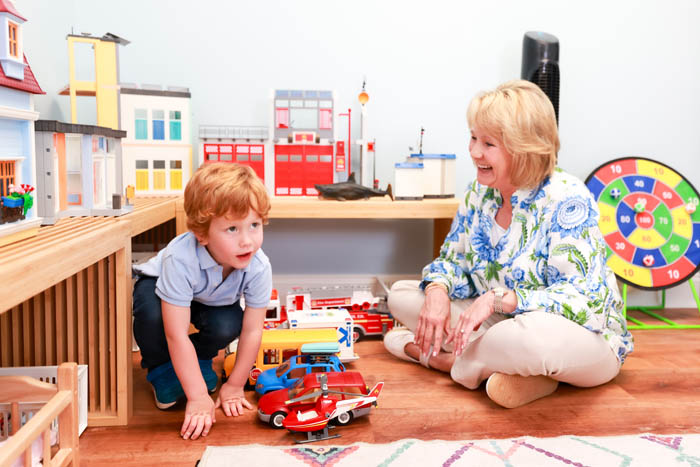
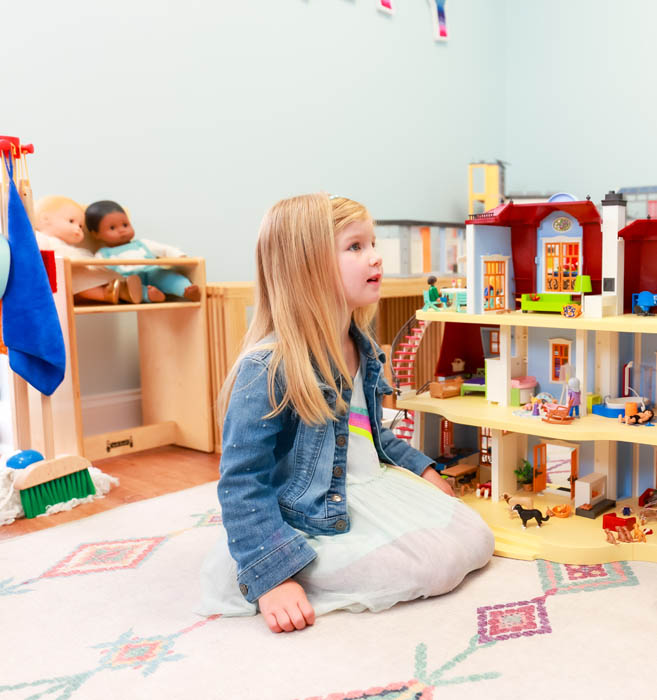
For young children, play is their natural language and one of the ways they communicate with adults. When children (ages 3–8) are developing concepts like abstract thinking and emotional vocabulary, play therapy provides a developmentally sensitive way for them to express to express their inner world of thoughts and feelings. As the child develops a safe, accepting relationship with the play therapist, they become better versions of themselves. At The Child Counseling Center of Tidewater we specialize in individual therapy sessions using Child-Centered Play Therapy
Benefits of Play Therapy
When children work with a trained play therapist, they show improvement in several key areas:
Self-Regulation
Improved self-regulation includes fewer and less intense emotional meltdowns. Some children explode in anger, while others dissolve in tears. Other children may internalize their emotions and struggle with fears that are paralyzing , disrupted sleeping, or somatic symptoms such as headaches or stomach aches. Dysregulation can result in physical or verbal aggression, noncompliance, moodiness, and decreased confidence.
Emotional Literacy
The ability to name our feelings is a crucial step towards self-awareness. Children need support in learning new feeling words and connecting the words with their internal states. When a child is better able to communicate their feelings, they can also ask for what they need and begin realizing when to use coping skills.
Expanded Worldview
An expanded worldview includes children understanding that actions have consequences. Children will gain insight in how their behavior affects others and begin taking personal responsibility for their actions. Parents will notice their child expressing more empathy and blaming others less. This will result in better relationships at home, school, and in the community.
Healthy Self Esteem
Positive self-esteem helps us navigate the world successfully. A child with a healthy self-esteem is able to connect with others in meaningful relationships. They are close to their parents, siblings, and extended family, and they can make and keep friends. They are also aware that while they may not be the best at everything, they have skills in some areas and they are competent to learn new skills. They also do not exhibit a “win at any cost” level of competitiveness when they feel competent. A healthy self-esteem also includes having the courage to try new things even if they might fail. Finally, they believe they are significant and their thoughts, opinions, ideas, and feelings are important and heard.

Who Play Therapy Helps:
Play therapy is beneficial for children ages 3–8 who may be struggling emotionally, socially, or behaviorally. Play therapy is also helpful for children who have experienced medical issues, family stress, or major life transitions. Because young children often cannot fully express their thoughts and feelings, their play shows us where they are struggling and how we can support them.
Play therapy helps children who are experiencing:
- Anxiety or excessive worry
- Behavioral challenges or frequent tantrums
- Difficulty adjusting to changes (divorce, new sibling, moving, new school)
- Grief or loss
- Trauma or stressful experiences
- Social difficulties or trouble making friends
- School-related stress or school refusal
- Low self-esteem or lack of confidence
- Separation anxiety
- Difficulty expressing emotions
- Anger or frustration
- Attention and focus challenges
Play Therapy Service for Hampton Roads
Call The Child Counseling Center of Tidewater in Virginia Beach, Virginia today for a FREE consultation on our play therapy services. Give your child a safe environment to process, learn, and grow their communication skills.